
1350 Blairs Ferry Road, Suite B, Hiawatha, IA 52233 | (319)-343-8540
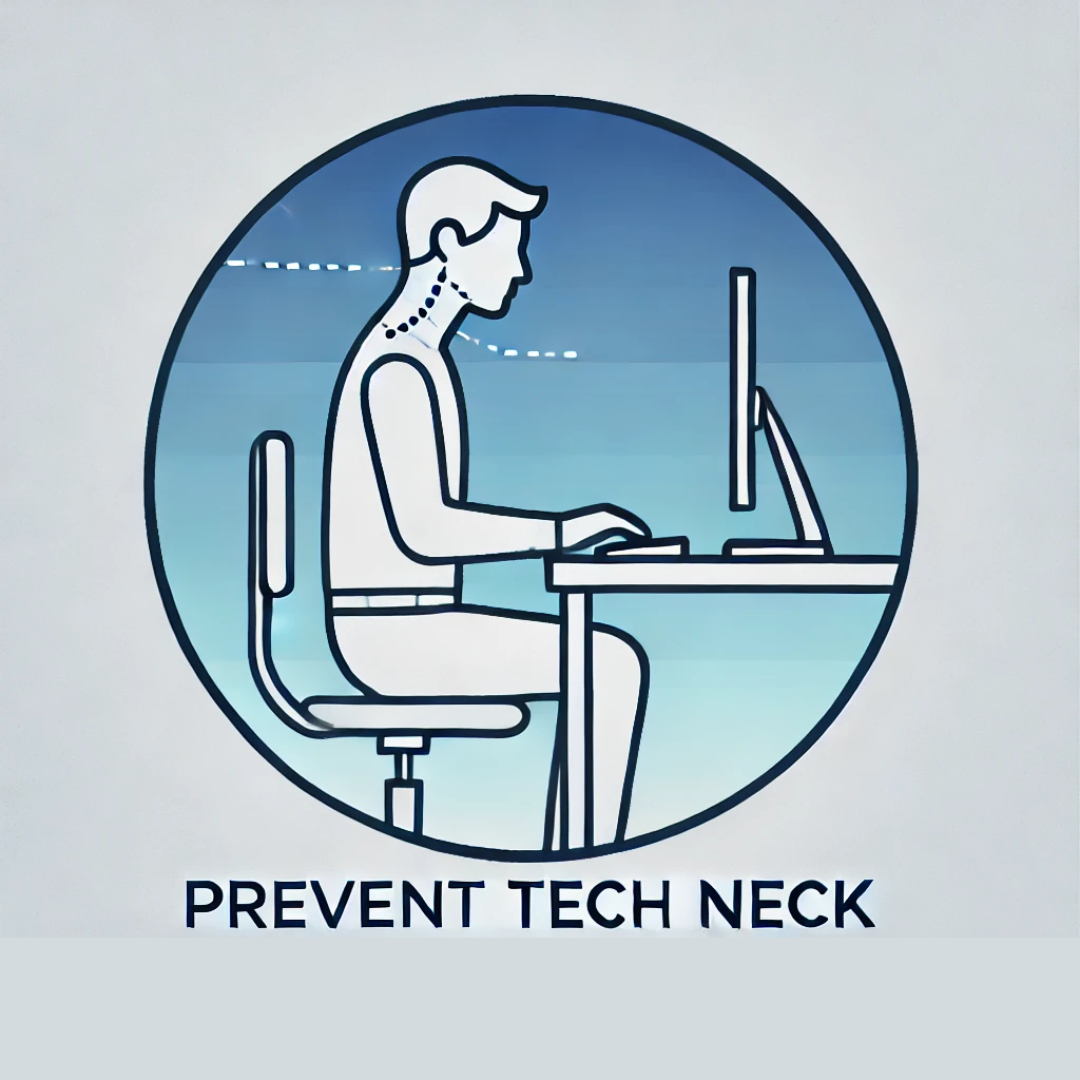
How to Prevent Tech Neck in the Digital Age

In an era where screens dominate our personal and professional lives, tech neck has become a prevalent condition affecting millions of people. Characterized by neck pain, stiffness, and posture problems, tech neck is caused by prolonged periods of looking down at smartphones, tablets, laptops, and other digital devices. Over time, this forward-leaning posture can lead to serious health issues, including spinal misalignment, chronic pain, and even nerve damage.
Fortunately, with awareness and proactive measures, you can prevent tech neck and its long-term effects. This article explores the causes of tech neck, its symptoms, and actionable tips to maintain a healthy spine in the digital age.
Understanding Tech Neck
Tech neck, also known as text neck, results from the strain placed on the neck and shoulders when the head is tilted forward for extended periods. The human head weighs approximately 10–12 pounds when held upright, but tilting it forward by even 15 degrees can increase the strain on the neck to about 27 pounds. At a 60-degree angle, the weight placed on the neck can be as much as 60 pounds!
This excessive pressure on the cervical spine can cause:
- Neck pain and stiffness
- Headaches
- Shoulder tension
- Poor posture
- Spinal misalignment
- Nerve irritation
The Role of the Upper Cervical Spine
The upper cervical spine, consisting of the atlas (C1) and axis (C2) vertebrae, plays a critical role in maintaining posture and supporting the head. When misalignments occur in this region due to prolonged poor posture, it can lead to symptoms beyond localized neck pain, including:
- Tension headaches or migraines
- Brain fog and reduced focus
- Shoulder and upper back pain
- Impaired nervous system function
Upper cervical chiropractic care focuses on correcting these misalignments to restore balance and reduce the strain caused by tech neck.
Symptoms of Tech Neck
Common symptoms of tech neck include:
- Persistent neck pain: A dull ache or sharp pain in the neck.
- Stiffness and limited mobility: Difficulty turning or tilting the head.
- Headaches or migraines: Often caused by tension in the neck and shoulders.
- Rounded shoulders: Forward-hunched posture due to prolonged screen use.
- Numbness or tingling: Pinched nerves in the cervical spine can cause these sensations in the arms or hands.
Long-Term Consequences of Tech Neck
If left unaddressed, tech neck can lead to more serious health issues, such as:
Chronic neck pain: Persistent discomfort that impacts daily life.
Spinal degeneration: Increased wear and tear on the cervical vertebrae.
Herniated discs: Excessive strain can push discs out of their normal position.
Nerve compression: Leading to symptoms like weakness, tingling, or numbness.
Poor posture: Affecting overall health and self-confidence.
How to Prevent Tech Neck
Prevention is key to avoiding the discomfort and long-term effects of tech neck. Here are actionable tips to protect your neck and spine:
1. Practice Good Posture
Maintaining proper posture is the first step in preventing tech neck. Ensure your:
- Head is upright: Avoid tilting your head forward or downward.
- Shoulders are relaxed: Keep them back and down to prevent tension.
- Spine is aligned: Sit with your back straight and supported.
- Pro Tip: Set up an ergonomic workstation to encourage proper posture while working on a computer.
2. Adjust Your Screen Position
The position of your devices plays a significant role in preventing tech neck.
- Raise your screen: Keep your monitor or device at eye level to avoid tilting your head.
- Use a stand or holder: For smartphones or tablets, use a stand to keep the screen at a comfortable height.
- Maintain a safe distance: Keep your screen about an arm’s length away.
3. Take Regular Breaks
Sitting or looking at a screen for hours can strain your neck and back.
- Follow the 20-20-20 Rule: Every 20 minutes, look at something 20 feet away for at least 20 seconds.
- Stand up and stretch every hour to relieve tension and improve circulation.
4. Strengthen Your Neck and Upper Back
Exercises that strengthen your neck, shoulders, and upper back can help support proper posture.
- Chin Tucks: Gently pull your chin back to align your head with your spine.
- Shoulder Blade Squeezes: Pinch your shoulder blades together and hold for a few seconds.
- Neck Stretches: Slowly tilt your head to each side, holding the stretch for 10–15 seconds.
- Pro Tip: Consult with a professional to learn proper form and avoid injury.
5. Invest in Ergonomic Furniture
An ergonomic chair, desk, and accessories can significantly reduce the strain on your neck and back. Look for features like:
- Adjustable height to keep your screen at eye level.
- Lumbar support to maintain the natural curve of your spine.
- A keyboard and mouse that allow your wrists to stay neutral.
6. Hydrate and Stay Active
Dehydration can contribute to muscle stiffness and fatigue. Drinking plenty of water and staying physically active promotes spinal health and reduces tension.
7. Consider Upper Cervical Chiropractic Care
If you’re already experiencing symptoms of tech neck, upper cervical chiropractic care can help address the underlying issues. A trained chiropractor can:
- Correct misalignments: Realigning the atlas and axis vertebrae to reduce strain on the cervical spine.
- Improve posture: Restoring balance to your head, neck, and spine.
- Relieve pain: Alleviating tension, headaches, and nerve-related symptoms.
How Upper Cervical Chiropractic Care Helps
Upper cervical chiropractic care focuses on precise adjustments to the atlas (C1) and axis (C2) vertebrae, which are often affected by tech neck. Benefits include:
- Improved nervous system function: Ensuring clear communication between the brain and body.
- Reduced muscle tension: Relieving tightness in the neck and shoulders.
- Enhanced posture: Encouraging natural spinal alignment.
Many patients report significant relief from neck pain, headaches, and other symptoms after incorporating chiropractic care into their wellness routine.
Final Thoughts
In today’s digital age, tech neck is a common challenge, but it doesn’t have to be a permanent one. By practicing good posture, adjusting your workstation, taking regular breaks, and seeking professional care when needed, you can protect your neck and spine from the strain of screen use.
If you’re struggling with tech neck symptoms, upper cervical chiropractic care offers a natural, non-invasive solution to restore alignment, relieve pain, and improve your quality of life. Visit an upper cervical chiropractor near Cedar Rapids, Hiawatha, or Marion, Iowa, to take the first step toward a healthier, pain-free future.
📞 Call (319)-343-8540 or schedule your first visit today!
Related Articles: