1350 Blairs Ferry Road, Suite B, Hiawatha, IA 52233 | (319)-343-8540
How Poor Posture Affects Your Neck and Spine Over Time

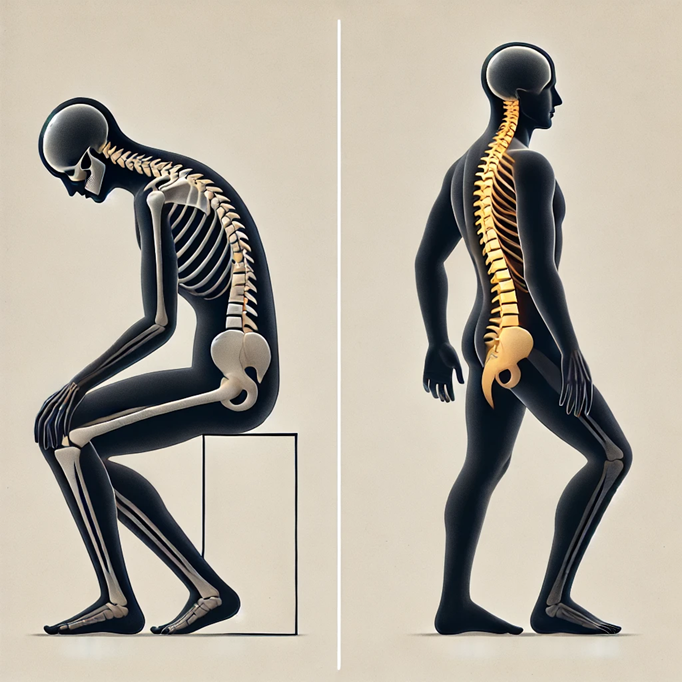
In today's modern world, poor posture has become a widespread issue, affecting millions of people who spend hours sitting at desks, looking down at phones, or slouching while watching TV. While it may seem like just a bad habit, poor posture can have long-term effects on your neck, spine, and overall health.
If left uncorrected, poor posture can lead to chronic neck pain, spinal misalignment, headaches, migraines, nerve compression, and even digestive and circulatory issues. The upper cervical spine (C1 and C2 vertebrae) plays a crucial role in maintaining overall spinal health, and poor posture can contribute to atlas misalignment, brainstem pressure, and nervous system dysfunction.
At our Hiawatha upper cervical chiropractic office, we specialize in correcting posture-related spinal issues through gentle, precise upper cervical chiropractic adjustments. In this article, we will explore:
✔ How poor posture affects your neck and spine
✔ The link between posture, nervous system function, and chronic pain
✔ How atlas misalignment contributes to poor posture
✔ How upper cervical chiropractic care can help restore proper posture and spinal health
The Hidden Dangers of Poor Posture
Most people don’t realize just how much their posture affects their health. Whether it’s from sitting at a desk for long hours, looking down at a smartphone, or standing with improper alignment, bad posture gradually takes a toll on the body.
1. Poor Posture Increases Stress on the Spine
Your spine is designed to naturally support your body weight, but poor posture forces your spine to work harder than it should.
For example:
- When your head is in a neutral position, it typically weighs 10-12 pounds.
- When you tilt your head forward (such as looking at a phone), the strain on your neck increases exponentially. A 45-degree tilt can make your head feel like it weighs over 49 pounds!
This extra weight puts stress on the cervical spine, upper back, and shoulders, leading to chronic neck pain, stiffness, and tension headaches.
2. Forward Head Posture and “Text Neck” Syndrome
One of the most common posture problems today is forward head posture, also known as "text neck." When you constantly look down at your phone or computer screen:
✔ The neck muscles become strained
✔ The shoulders round forward
✔ The spine loses its natural curve
Over time, this leads to:
- Atlas (C1) misalignment
- Brainstem irritation
- Increased muscle tension in the neck and shoulders
- Compressed nerves, leading to numbness, tingling, or pain in the arms and hands
3. Poor Posture Leads to Upper Cervical Misalignment
The atlas (C1) vertebra is the top bone in the spine, responsible for supporting the weight of the head and allowing for smooth movement.
When the atlas becomes misaligned due to poor posture, it can cause:
✔ Spinal imbalance and compensation throughout the body
✔ Restricted blood flow to the brain, contributing to headaches, dizziness, and brain fog
✔ Brainstem pressure, leading to nervous system dysfunction
✔ Chronic pain and muscle stiffness in the neck and shoulders
Without proper correction, poor posture can lead to long-term structural damage, including:
- Spinal degeneration and arthritis
- Herniated or bulging discs
- Chronic headaches and migraines
- Increased risk of nerve compression (such as carpal tunnel syndrome or sciatica)
How Poor Posture Affects Your Nervous System
Your spine houses the spinal cord, which is responsible for transmitting signals between your brain and body. When poor posture leads to spinal misalignment, it disrupts nerve communication, leading to:
✔ Neck pain, back pain, and stiffness
✔ Dizziness, vertigo, and balance issues
✔ Chronic fatigue and brain fog
✔ Tingling or numbness in the arms and hands
✔ Tension headaches and migraines
Since the upper cervical spine (C1 and C2) directly affects the brainstem, any misalignment in this area can contribute to conditions like:
- TMJ dysfunction and jaw pain
- Postural orthostatic tachycardia syndrome (POTS)
- Fibromyalgia and chronic fatigue
- Trigeminal neuralgia
Correcting atlas misalignment through upper cervical chiropractic care can help restore proper posture and reduce these symptoms.
How Upper Cervical Chiropractic Can Help Restore Proper Posture
Upper cervical chiropractic care focuses on correcting misalignments in the atlas (C1) and axis (C2) vertebrae to restore proper spinal alignment and improve posture. Unlike traditional full-spine chiropractic adjustments, upper cervical care is precise, gentle, and non-invasive.
At our Hiawatha chiropractic office, we use:
✔ Advanced diagnostic imaging for spinal health to detect postural imbalances
✔ Knee-Chest Upper Cervical adjustments, a highly specific technique that restores natural head and neck alignment
✔ Neurological assessments to evaluate nervous system function
Benefits of Upper Cervical Chiropractic for Posture Correction
✅ Restores Natural Spinal Alignment
- Correcting atlas misalignment helps the head return to a neutral position, reducing stress on the spine and preventing forward head posture.
✅ Reduces Muscle Tension and Pain
- Misalignment often leads to tight, overworked muscles in the neck, shoulders, and upper back.
- Proper alignment relieves muscle strain, allowing the body to move more efficiently.
✅ Improves Nervous System Function
- Correcting spinal misalignment reduces brainstem pressure, improving nerve communication between the brain and body.
✅ Enhances Balance and Stability
- Poor posture affects the body's center of gravity, increasing the risk of falls and injuries.
- Upper cervical care helps restore balance, making daily activities easier and more comfortable.
How to Maintain Good Posture and Spinal Health
Along with upper cervical chiropractic adjustments, you can improve your posture with these daily habits:
✔ Keep Your Head in a Neutral Position – Avoid looking down at your phone or computer for extended periods.
✔ Use Ergonomic Workstations – Adjust your desk, chair, and screen height to support proper spinal alignment.
✔ Strengthen Your Core and Neck Muscles – Regular exercise can support your spine and reduce muscle strain.
✔ Practice Good Sitting and Standing Habits – Keep your shoulders back, engage your core, and distribute weight evenly.
✔ Get Regular Chiropractic Care – Routine atlas adjustments help maintain spinal alignment and prevent long-term damage.
Final Thoughts: Protect Your Spine with Upper Cervical Chiropractic Care
Poor posture isn’t just a bad habit—it can have serious consequences for your neck, spine, and nervous system over time. Whether you suffer from neck pain, headaches, dizziness, or muscle tension, your posture may be the root cause.
By correcting atlas misalignment and improving spinal alignment, upper cervical chiropractic care can:
✔ Relieve chronic pain and tension
✔ Restore proper nervous system function
✔ Prevent future spinal degeneration
If you’re struggling with poor posture, forward head syndrome, or spine-related discomfort, schedule a consultation at our Hiawatha upper cervical chiropractic office today. Your spinal health and long-term well-being depend on it!
📞 Call (319)-343-8540 or schedule your first visit today!
Related Articles: