
1350 Blairs Ferry Road, Suite B, Hiawatha, IA 52233 | (319)-343-8540
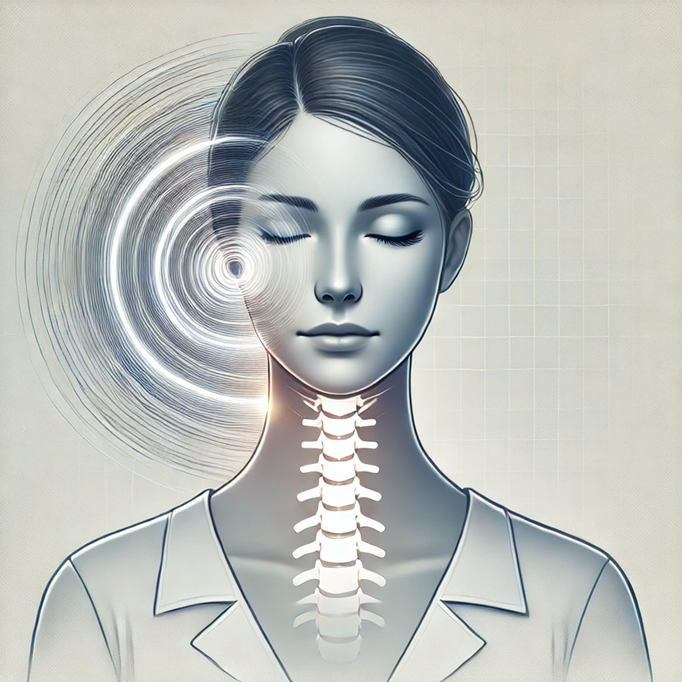
Upper Cervical Chiropractic Care for Vestibular Migraines: A Natural Path to Relief

Migraines are often misunderstood as simply “really bad headaches,” but anyone who has experienced them knows they can be far more complex—and debilitating. One particularly confusing and distressing type is the vestibular migraine, which doesn’t always present with head pain, but instead causes dizziness, vertigo, balance issues, and other neurological symptoms.
At our Hiawatha upper cervical chiropractic clinic, we’ve worked with many patients who suffer from vestibular migraines—often after years of misdiagnosis or incomplete care. Many come to us having tried medications, neurologists, and even ENT specialists without lasting relief.
This article will help you understand:
- What makes vestibular migraines unique
- How they differ from other types of migraines
- The many symptoms they can cause
- Why they’re often misdiagnosed as vertigo, POTS, or dysautonomia
- How upper cervical chiropractic care offers a targeted, drug-free path to relief
Understanding the Different Types of Migraines
Migraines aren’t one-size-fits-all. While some people experience classic migraines with intense pain and sensitivity to light, others may struggle with unusual neurological symptoms, balance disturbances, or even digestive issues.
Here are a few common types of migraines:
1. Migraine with Aura
These migraines are preceded by visual disturbances like flashing lights, zigzag lines, or blind spots. Some people also experience numbness, tingling, or speech difficulties before the pain starts.
2. Migraine without Aura
This is the most common type. It features intense, throbbing head pain—usually on one side—often accompanied by nausea, vomiting, and sensitivity to light and sound.
3. Hemiplegic Migraine
A rare but severe form, hemiplegic migraines cause temporary weakness or paralysis on one side of the body, mimicking a stroke. They can include aura and other neurological symptoms.
4. Chronic Migraine
Defined as having 15 or more migraine days per month, chronic migraines can significantly affect quality of life and are often treatment-resistant.
5. Vestibular Migraine
This is where we’ll focus today. Vestibular migraines may or may not involve headache pain, but they are deeply rooted in the vestibular system—the part of your body responsible for balance and spatial orientation.
What Is a Vestibular Migraine?
Vestibular migraines are a subtype of migraine that primarily cause dizziness, vertigo, imbalance, and a sensation of motion—without necessarily causing head pain. For some, they feel like being on a boat, even while standing still. For others, symptoms can come in unpredictable episodes.
Symptoms of Vestibular Migraines Include:
- Spontaneous vertigo lasting minutes to hours
- Dizziness with or without head movement
- Balance problems or unsteadiness
- A sensation of rocking, swaying, or motion
- Visual sensitivity or blurry vision
- Light and sound sensitivity
- Brain fog, fatigue, and difficulty concentrating
- Nausea and motion sickness
- Headache (though not always)
These symptoms may overlap with other conditions, which is why many people with vestibular migraines are misdiagnosed.
Vestibular Migraine or Something Else? Understanding the Overlap
🌀 Vestibular Migraine vs. Vertigo
Vertigo is a symptom, not a diagnosis. While BPPV (benign paroxysmal positional vertigo) or Meniere’s disease can cause vertigo, vestibular migraines are driven by neurological dysfunction—often related to brainstem activity and blood flow to the vestibular nuclei.
❤️ Vestibular Migraine vs. POTS
Postural Orthostatic Tachycardia Syndrome (POTS) involves dizziness upon standing, increased heart rate, and fatigue. Many patients with POTS also report migraines or brain fog, making differentiation tricky. Both may involve autonomic nervous system dysfunction, also known as dysautonomia.
🧠 Vestibular Migraine vs. Brainstem Aura Migraine
Migraines with brainstem aura share many symptoms with vestibular migraines, such as vertigo, slurred speech, ringing in the ears, and visual disturbances. These migraines are believed to originate in the brainstem and may involve temporary disruptions in neurological signaling.
The Upper Cervical Spine: A Missing Piece in the Migraine Puzzle
The upper cervical spine, specifically the atlas (C1) and axis (C2) vertebrae, play a vital role in brainstem function, blood flow, and neurological health.
When these vertebrae are misaligned—due to trauma, posture, or other stressors—they can:
- Irritate or compress the brainstem
- Restrict vertebral artery flow to the brain
- Interfere with vestibular and autonomic regulation
- Cause muscle tension that contributes to dizziness and headaches
- Disrupt cerebrospinal fluid flow
All of these factors can contribute to the frequency and intensity of vestibular migraines.
Upper Cervical Chiropractic Care: A Targeted, Gentle Approach
At our Hiawatha chiropractic office, we specialize in atlas-specific chiropractic care, using the Advanced HIO technique. This technique is:
✅Gentle – No twisting, popping, or cracking
✅Precise – Based on detailed imaging and thermography scans
✅Safe – Ideal for those with POTS, Chiari malformations, EDS, or post-surgical history
✅Focused – Corrects the C1 and C2 vertebrae to reduce neurological stress
We begin with:
✔Advanced diagnostic imaging for spinal health
✔Infrared thermography or Tytron scans to measure nervous system imbalance
✔A detailed neurological and symptom assessment
✔A personalized, low-force adjustment plan
Our patients often notice improvements in:
✔Vertigo and dizziness
✔Migraine frequency and intensity
✔Fatigue and brain fog
✔Balance and coordination
✔Overall nervous system function
Real Results: What Our Patients Experience
Patients with vestibular migraines typically follow one of two paths after beginning upper cervical care:
1. Reduced Frequency
They may still experience occasional symptoms, but they come less often and with less disruption.
2. Reduced Intensity
When symptoms do arise, they are less severe, easier to manage, and no longer completely debilitating.
Many patients share that within a few weeks of care—without changing anything else in their lifestyle—they’re already noticing:
✔Fewer dizzy spells
✔Improved energy
✔Better sleep
✔Clearer thinking
✔More control over their day-to-day lives
Why Patients Travel to Our Hiawatha Clinic
We are one of just three clinics in Iowa offering Advanced HIO and Knee-Chest Upper Cervical chiropractic care. Patients regularly travel from:
- Cedar Rapids
- Muscatine
- Davenport
- Burlington
- Kalona
- Iowa City
- And beyond
…because they haven’t found relief anywhere else. We also work with people who have had:
✔Neck fusions
✔Botox injections for migraines
✔Chiari decompression surgery
✔Ehlers-Danlos Syndrome (EDS)
✔Trigeminal neuralgia and TMJ dysfunction
Final Thoughts: A Different Path to Migraine Relief
If you’ve been told there’s nothing more you can do for your vestibular migraines, or if your current treatments aren’t working, consider a new approach. Upper cervical chiropractic care addresses the neurological root of these complex symptoms.
By gently correcting atlas misalignment, we help restore:
- Brainstem balance
- Nervous system function
- Structural stability
- And most importantly—your quality of life
📞 Call (319)-343-8540 or schedule your first visit today!
Related Articles:
The Role of Atlas Correction in Managing Vertigo and Dizziness
How an Upper Neck Misalignment Can Cause Vertigo and Dizziness
Managing Post-Concussion Syndrome with Upper Cervical Care
Managing Tinnitus with Upper Cervical Adjustments
How Atlas Adjustments Can Help with Lightheadedness and Balance Issues